
What is the 10kW Solar System Price in Pakistan Today? (2026 Update)
If you are a homeowner or a small business owner looking to eliminate massive electricity bills, a 10-kilowatt system is widely considered the “sweet spot.” In 2026, the 10kW solar system price in Pakistan starts at approximately PKR 834,000 for a basic on-grid setup and ranges from PKR 1,382,000 to PKR 1,920,000 for a premium hybrid system with a lithium battery bank. A fully off-grid 10kW system with a massive battery bank can cost up to PKR 2,540,000.
The exact cost depends heavily on the inverter brand you choose (like Growatt, GoodWe, or Inverex) and the size of your lithium-ion battery storage. Despite recent changes to NEPRA’s net metering regulations, installing a 10kW solar setup remains one of the best financial decisions you can make this year. Because global solar panel prices have fallen to just PKR 24 to PKR 35 per watt, the upfront hardware cost is lower than ever, meaning your system will pay for itself in just 2.3 to 4.7 years.
In this comprehensive guide by Green Vision Engineering, we will break down the exact costs, explain the new 2026 NEPRA Net Billing rules, and show you why shifting to a hybrid battery system is the smartest strategy to maximize your return on investment (ROI).
Cost Breakdown: What Are You Paying For?
When evaluating a solar quotation, it is crucial to understand where your money is going. A 10kW system is not just panels; it is a highly engineered micro-grid on your roof.
Here is an estimated breakdown of a premium 10kW Hybrid System in 2026:
| Component | Estimated Cost Range (PKR) | Details |
| Tier-1 Solar Panels (540W – 600W) | 442,000 – 505,000 | Requires 17 to 19 panels depending on exact wattage. |
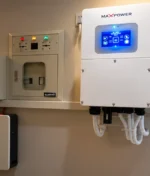
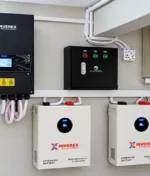
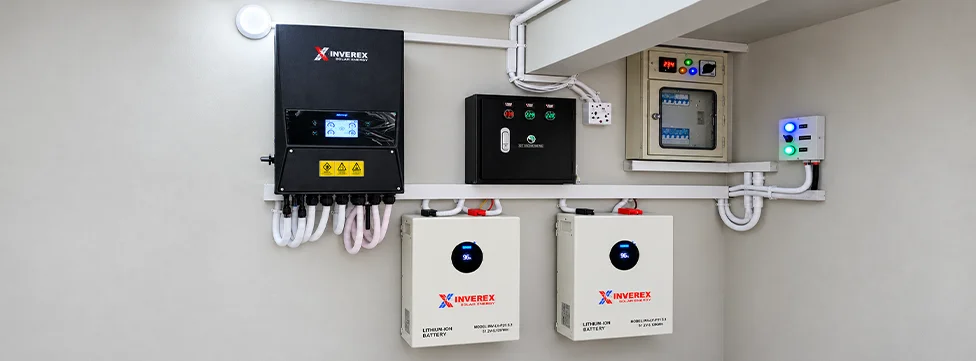
| 10kW Hybrid Inverter | 340,000 – 390,000 | Top brands like GoodWe, Growatt, or Inverex. |
| Lithium-Ion Battery (10kWh Bank) | 370,000 – 700,000 | Essential for night-time backup and dodging peak hour tariffs. |
| Mounting Structure | 70,000 – 95,000 | Heavy-duty, wind-resistant galvanized framing (L2/L3). |
| Wiring & Accessories (BOS) | 55,000 – 80,000 | Copper cables, DC/AC breakers, and Surge Protection Devices (SPDs). |
| Installation & Labor | 45,000 – 70,000 | Certified engineering team for safe, zero-drill mounting. |
| Net Metering Processing | 60,000 – 80,000 | Application filing, DISCO processing, and bidirectional meter. |
| Total Estimated Investment | 1,382,000 – 1,920,000 | Varies based on battery size and panel brand. |
[Green Vision Engineering uses exact load-profiling to ensure you only pay for the battery storage you actually need. Ask our engineers for a custom site audit!]
What Can a 10kW Solar System Run?
A 10kW system is highly capable and designed for standard to large family homes, or small offices. On an average sunny day, a 10kW solar system in Pakistan produces 38 to 45 units of electricity per day, totaling around 1,140 to 1,350 units per month.
During peak sunlight hours, a 10kW inverter can comfortably power:
-
2 to 3 Inverter Air Conditioners (1.5-ton each)
-
1 Water Pump (1 HP)
-
1 Refrigerator / Deep Freezer
-
15 to 20 DC/LED Fans and 25 to 30 LED Lights
-
General electronics (TVs, laptops, microwave)
Pro-Tip: To maximize your system, stagger your heavy loads. Do not turn on the water pump, microwave, and three ACs at the exact same second.
The 2026 NEPRA Rules Change: Net Metering vs. Net Billing
If you are researching solar in 2026, you must understand the massive shift in government policy that occurred in February.
On February 9, 2026, NEPRA officially transitioned the country from the old “Net Metering” system to a “Net Billing” system under the Prosumer Regulations 2026.
What changed?
Under the old system, if you exported 100 surplus units to the grid, the utility credited you at the retail rate (around Rs. 22 to 27 per unit).
Under the new 2026 Net Billing system, surplus electricity that you export to the grid is only purchased by the utility at the National Average Energy Purchase Price (NAEPP), which is set at Rs. 8.13 per unit. Meanwhile, you still pay Rs. 40 to 65 for any unit you buy from the grid. The contract term was also reduced from 7 years to 5 years.
What does this mean for you?
It means the days of building a massive, oversized solar system just to sell expensive electricity back to WAPDA are over. You are now paid very little for the units you export. Therefore, the most profitable strategy in 2026 is Maximum Self-Consumption.
Why Hybrid Solar Systems Win in 2026
Because the grid now pays you just Rs. 8.13 per exported unit, you do not want to give your electricity to the grid. You want to store it and use it yourself.
This is why Hybrid Solar Systems with Lithium-Ion batteries are the gold standard for 2026.
Instead of exporting your excess daytime solar power for pennies, a hybrid inverter routes that excess power into your lithium battery bank. When the sun goes down, and grid electricity hits its highest peak-hour rates, your home seamlessly switches to battery power.
By using your own stored energy at night, you avoid buying expensive grid units, keeping your monthly bill close to zero. A 10kW system installed on a daytime-occupied home that runs ACs and charges batteries will achieve payback in under 4 years.
Your Expected ROI and Savings
Is a 10kW solar system still worth the price in Pakistan? Absolutely.
Even with the new NEPRA net billing rates, panel prices have crashed so fast that the payback period is incredibly short.
-
Monthly Units Generated: 1,140 – 1,350 kWh
-
Average Electricity Value: PKR 55–65 per unit (including taxes and surcharges)
-
Estimated Monthly Savings: PKR 62,700 to PKR 87,750
-
Estimated Yearly Savings: PKR 752,400 to PKR 1,053,000
If your average monthly bill was PKR 60,000, a hybrid system can pay for itself in just 2.3 years.
Why Choose Green Vision Engineering?
Installing a 10kW system involves 500-600 kg of weight on your roof and massive electrical currents. It is not a job for casual electricians.
At Green Vision Engineering, we approach solar as a premier architectural and engineering discipline.
-
Zero-Drill Mounting: We utilize custom L2/L3 frames with cemented blocks to ensure your roof slab is never pierced, guaranteeing monsoon waterproofing.
-
Precision Sizing: We analyze your exact load profile so you do not overspend on batteries you don’t need.
-
Safety First: Every commercial and residential system includes mandatory DC and AC circuit breakers and Surge Protection Devices (SPDs) to protect your home from grid spikes.
Frequently Asked Questions (FAQ)
Q1: How much space is needed for a 10kW solar system?
Depending on the wattage of the panels, a 10kW system requires between 17 and 19 panels. You will need approximately 680 to 800 square feet of shade-free, south-facing roof space.
Q2: How many units does a 10kW solar system produce daily in Pakistan?
A well-maintained 10kW system generates between 38 and 45 units per day, depending on the weather and season.
Q3: Is net metering still available in Pakistan in 2026?
Yes, but the billing structure has changed. The old 1:1 net metering is gone for new applicants. It has been replaced by “Net Billing,” where you are credited at the National Average Energy Purchase Price (Rs. 8.13 per unit) for your exported electricity.
Q4: Should I buy an On-Grid or Hybrid 10kW system?
Because export rates have dropped significantly, a Hybrid System with a lithium battery is highly recommended. It allows you to store your excess power and use it at night, saving you from buying expensive grid electricity.
Q5: How long does it take for a 10kW solar system to pay for itself?
If sized correctly for your household load, a 10kW hybrid system pays for itself in roughly 2.5 to 4.5 years.